
Aquaculture is an industry particularly vulnerable to infectious disease outbreaks. Organic matter, high animal density, variations in water parameters, and stress promote the development and transmission of pathogens. These can cause significant economic losses and pose a risk to health safety. The main pathogens in aquaculture are bacteria, viruses, parasites and fungi.
1. Bacteria
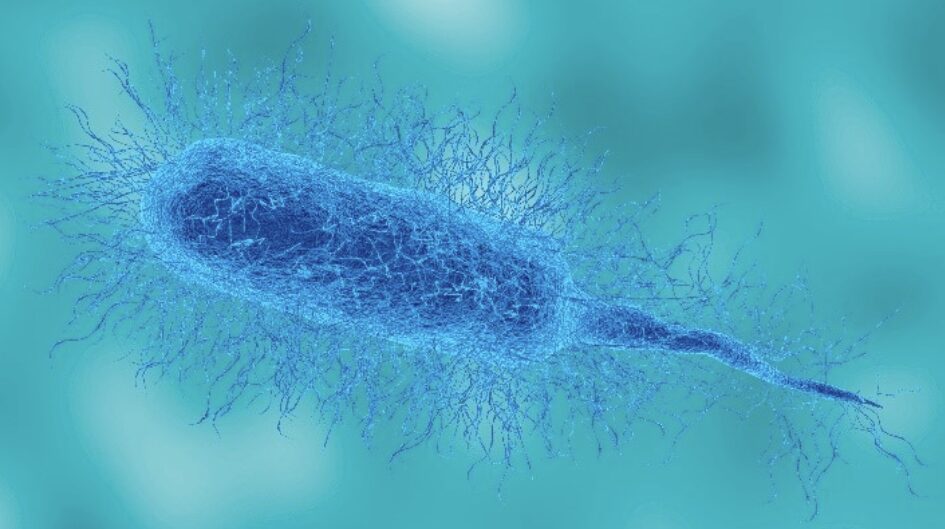
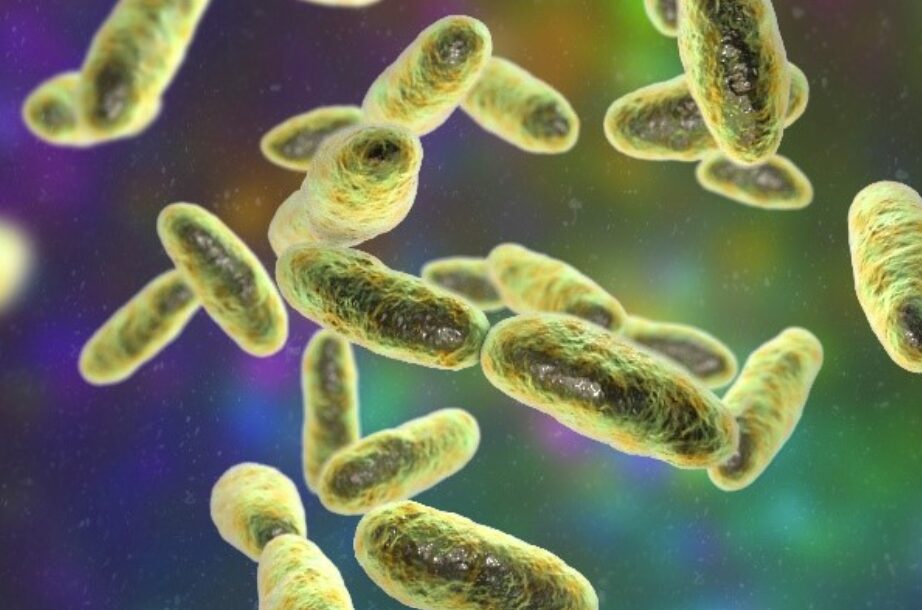
Bacteria are among the most common pathogens in aquaculture. They are naturally present in the aquatic environment but become pathogenic when environmental conditions deteriorate or when the animals’ immunity is weakened.
Among the best-known bacteria are Vibrio spp., which cause vibriosis in marine fish and shrimp, Aeromonas spp., often associated with septicaemia, and Flavobacterium spp., which cause skin and gill diseases. Bacterial infections can cause external lesions, haemorrhages, loss of appetite and high mortality.
2. Viruses
Viral diseases are particularly feared in aquaculture because they are often highly contagious and difficult to treat. Unlike bacteria, there is no direct curative treatment for viruses.
Among the most problematic viruses are viral haemorrhagic septicaemia virus (VHSV), infectious pancreatic necrosis virus (IPNV) in fish, and yellow head virus and white spot syndrome virus in shrimp. Viral infections can cause nervous disorders, internal haemorrhages and mass mortality.
3. Parasites
Parasites are a very diverse group and are widespread in aquaculture. They can be external or internal and affect different organs of the animal.
These include protozoa (such as Ichthyophthirius multifiliis, which causes white spot disease in freshwater fish, and several species of gregarines that reduces nutrient abosporption in shrimp farms), helminths (flatworms and roundworms) and parasitic crustaceans such as sea lice (Lepeophtheirus spp.). Parasitic infestations often cause tissue irritation, general weakness, reduced growth and increased susceptibility to secondary infections.
4. Fungi and fungal organisms
Fungi and fungal organisms, although less common, can cause significant disease, particularly in eggs and larvae. The genus Saprolegnia is one of the best known in freshwater fish aquaculture.
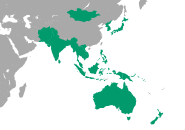
In shrimp farming, the microsporidian fungi Enterocytozoon hepatopenaei has become a major issue to deal with, mostly in Southeast Asia, due to the weakening of the shrimp resulting in poor growth performance and significant economic losses for the farmers.
These agents cause cottony lesions on the skin, gills or eggs, leading to significant losses in the early stages of development. Fungal infections are often associated with injuries or stressful conditions.
5. Other pathogens
In aquaculture, other agents can also cause disease, such as certain toxic algae that produce biotoxins or myxosporidia, sometimes classified separately due to their complex life cycle. Although they are less visible, their impact on farm performance can be considerable.
Pathogen control in aquaculture relies mainly on prevention: improving water quality, managing stocking density, health monitoring and biosecurity. A good understanding of the different types of pathogens is essential to ensure the sustainability of aquaculture systems and the health of farmedfish and shrimp.