
As aquaculture continues to expand, new challenges are emerging, requiring innovative and sustainable solutions to support this growth. The use of plant-based products is gaining momentum and is proving to be a promising alternative to current solutions to meet this demand. Their benefits for both animal health and performance are making them increasingly utilized within the sector.
Products derived from plant extracts are called phytobiotics. Their active compounds can be administered in various forms like ground plant material (whole plant or specific parts), or extracts like oleoresins and essential oils.
What are the benefits of plants for health and performance in aquaculture?
Plants contain bioactive compounds capable of modulating biological functions, providing nutritional, immunological, and therapeutic effects.
Immunomodulatory / immunostimulant action
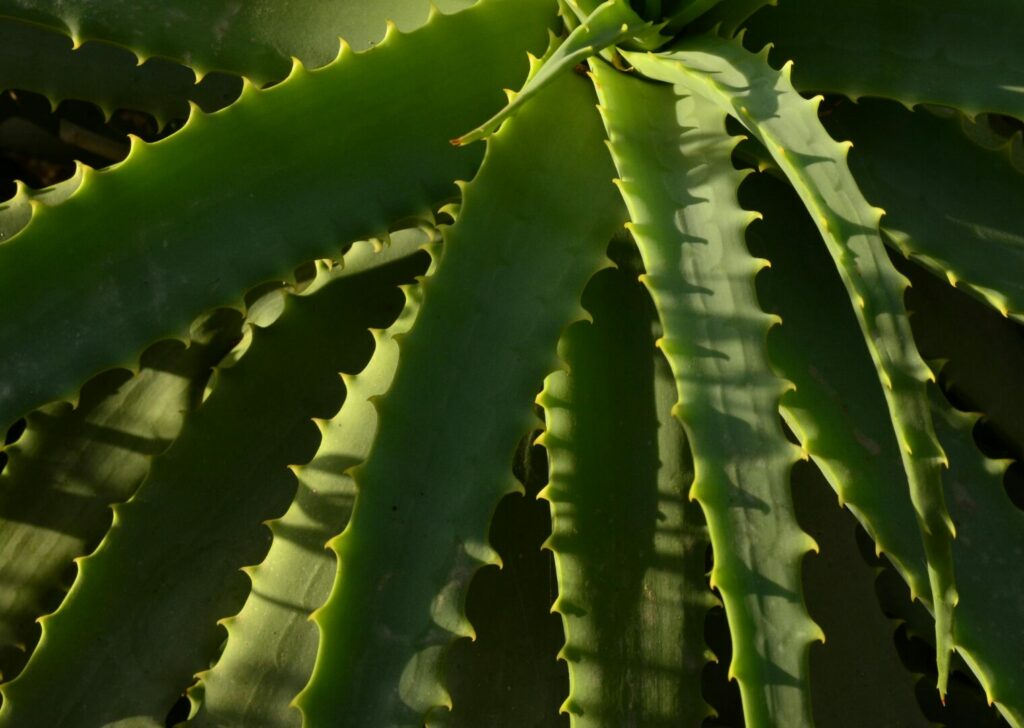
Aloe vera and ginger (Zingiber officinale) can stimulate the activation of immune cells, increasing antibody and cytokine production. This immunostimulatory and immunomodulatory activity enhances disease resistance in farmed fish.
These two plants are particularly valuable during periods when animals are more vulnerable, such as the freshwater-to-seawater transfer in anadromous salmonids. This transition involves significant physiological and morphological changes, representing a critical and fragile phase during which the immune system is challenged.
Antimicrobial and antiparasitic action
The antimicrobial activity of plant extracts may involve several mechanisms of action, including:
- inhibition of bacterial protein and enzyme synthesis
- degradation of cell walls
- alteration of bacterial membrane permeability.
Through these mechanisms, bioactive compounds compromise essential microbial functions, leading to cell lysis and bacterial death.
Regarding antiparasitic properties, these may result from interference with parasite molting processes mediated by ecdysone (in arthropods), thereby inhibiting growth, compromising structural integrity, and ultimately causing parasite mortality. Bioactive compounds may also enhance skin resistance in fish by stimulating mucus production, thereby reducing parasite attachment.
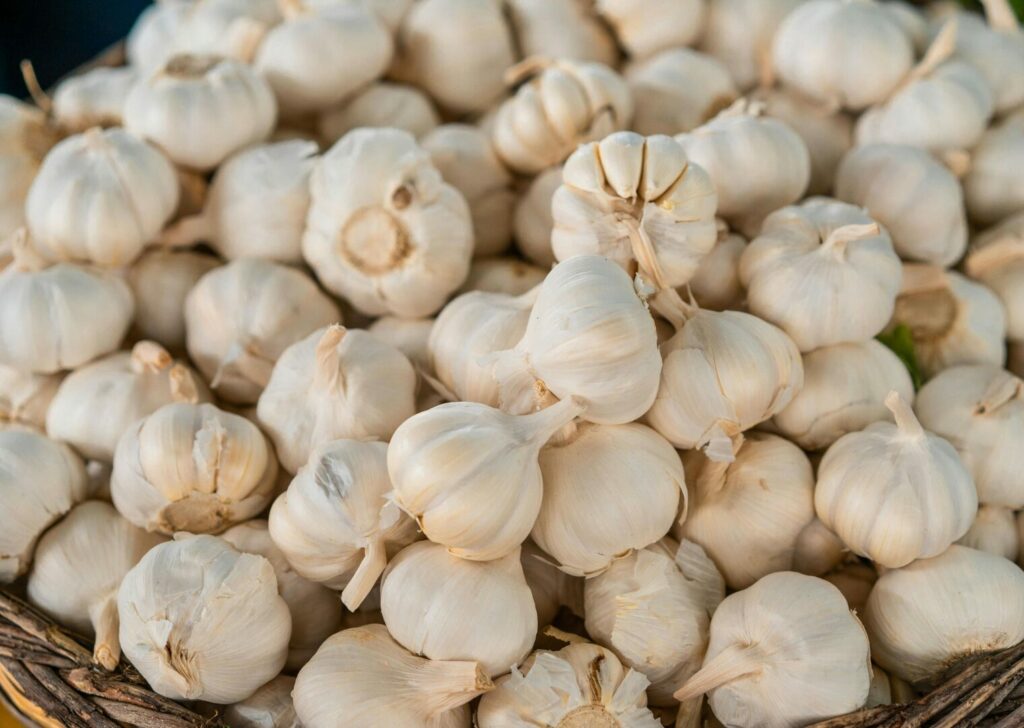
Examples of extracts with antimicrobial and antiparasitic properties include garlic (Allium sativum) and neem (Azadirachta indica).
Antioxidant action
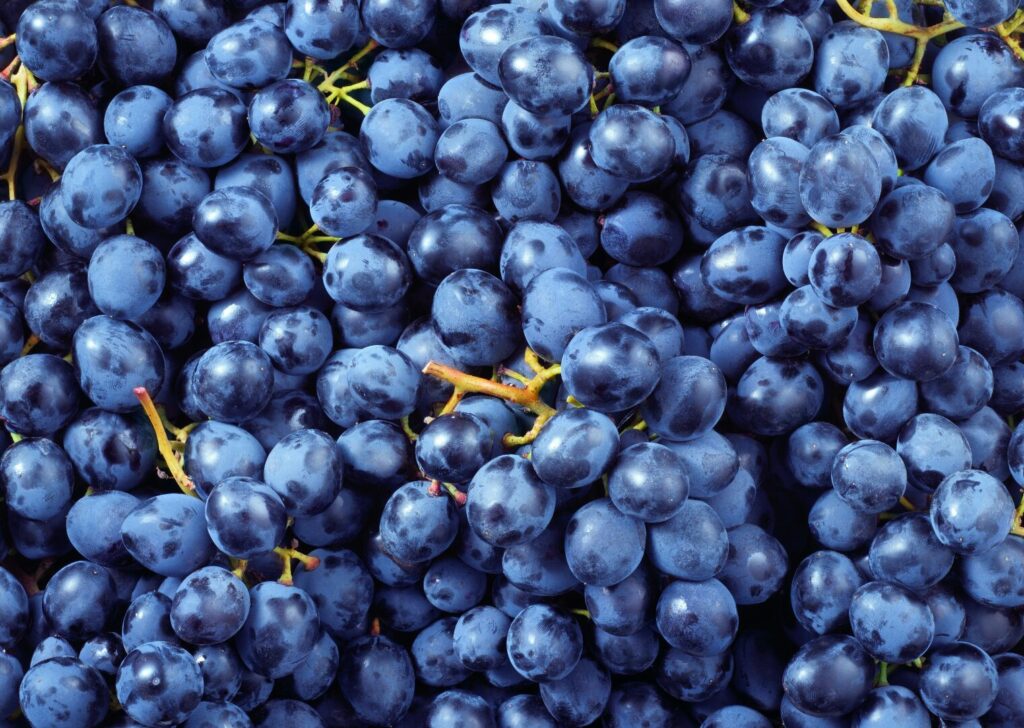
Grape (Vitis vinifera) and green tea (Camellia sinensis) extracts are examples of compounds that act against free radicals, reducing oxidative stress, and preventing cellular damage. Under intensive production conditions, such as high stocking densities and elevated temperatures, they represent an effective strategy for maintaining metabolic balance and improving feed efficiency, leading to enhanced feed conversion ratios and higher final product quality (color, structure, and preservation of fish fillets).
Anti-inflammatory action
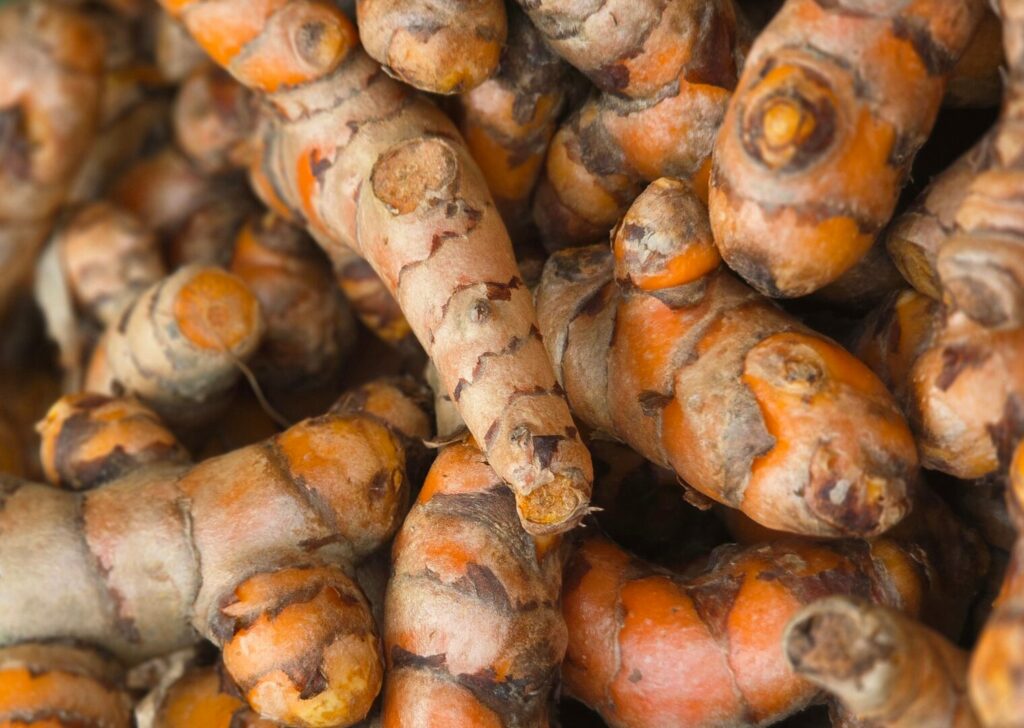
Anti-inflammatory activity from plant extracts is associated with the inhibition of mediators such as prostaglandins and pro-inflammatory cytokines, reducing tissue damage, and promoting faster recovery following infection or handling stress. Cinnamon (Cinnamomum verum) and turmeric (Curcuma longa) extracts are well recognized for these properties.
Anti-stress action
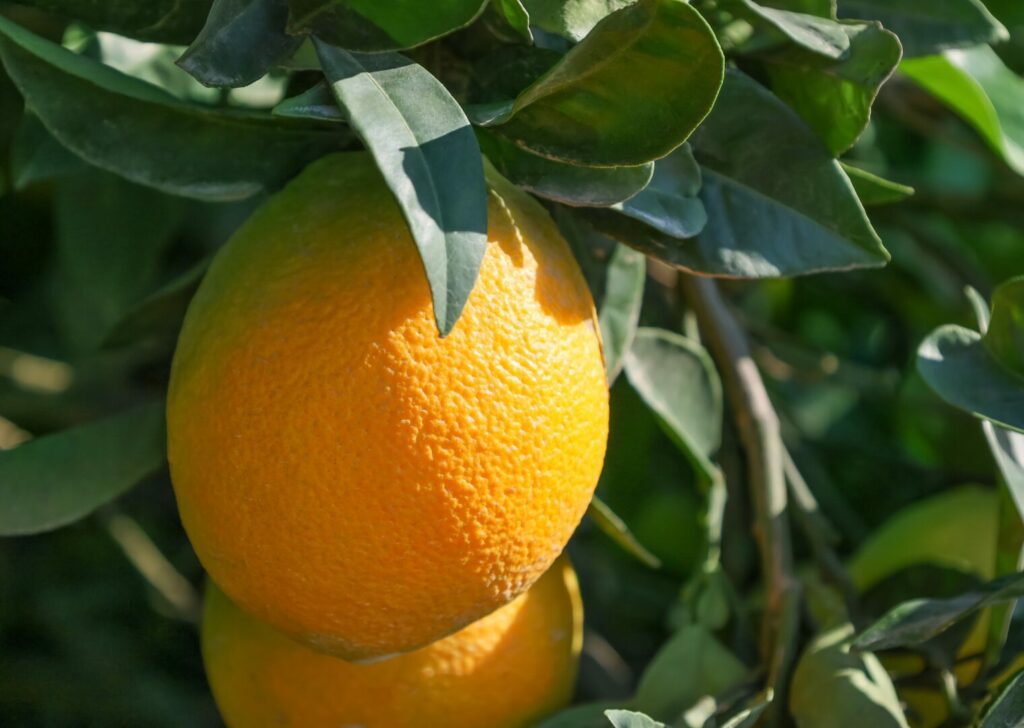
Certain extracts, such as those derived from citrus species (Citrus spp.), help modulate the endocrine stress response, reducing plasma cortisol levels and improving tolerance to challenging conditions such as transport, handling, and environmental fluctuations.
Improvement of digestion and feed efficiency
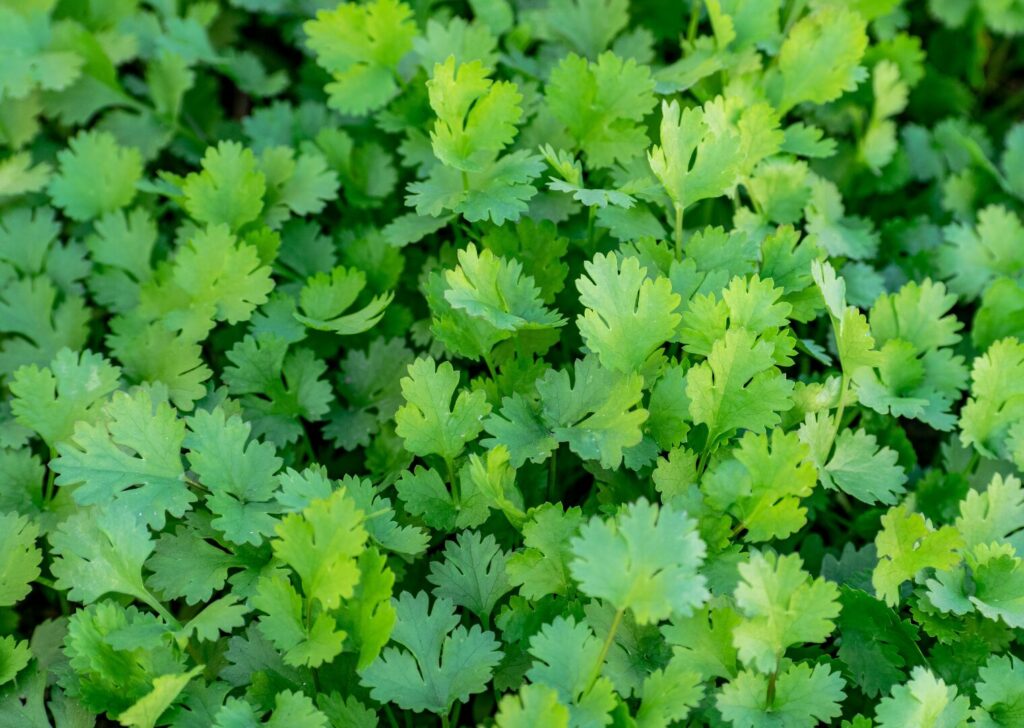
Compounds such as coriander (Coriandrum sativum) and cumin (Cuminum cyminum) can stimulate digestive enzyme secretion, resulting in improved feed conversion and growth performance. Some aromatic compounds and essential oils also act as appetite stimulants, increasing voluntary feed intake.
How can plants be used in aquaculture?
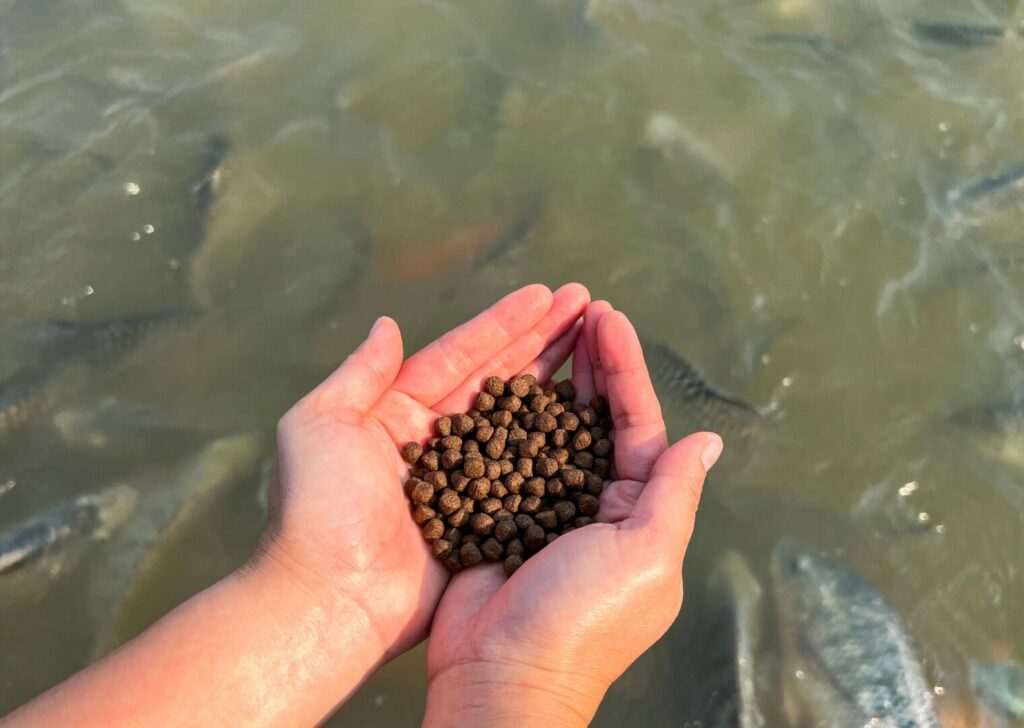
Depending on the production objective, the animal’s developmental stage and the selected compound, several routes of administration are available:
- In feed
This is the most widely used method due to its practicality and minimal operational impact. The substance is incorporated into compound feed during industrial manufacture or directly on farm. Its application depends on the type of compound and its stability during industrial processes (e.g. extrusion).
- By immersion
The product is added directly to the water in which the animals are held (rearing tanks, well-boats, etc.). Depending on the production stage and the product used, immersion may be essential. Efficacy depends on factors such as concentration, exposure time, stocking density, and environmental parameters (temperature, salinity, dissolved oxygen).
- By injection
Injection involves administering the compound directly into the animal body using a syringe. Although effective, it is less practical due to the need for trained personnel and the logistical complexity of the procedure.
Phytobiotics and sustainability: towards greener aquaculture production
The benefits of phytobiotic use extend beyond production performance and also concern environmental sustainability. When used in combination with certain therapeutic veterinary medicinal products such as antibiotics, biocides, and antiparasitics, they can contribute to reducing effluent contamination and preserving aquatic biodiversity.
Their applications play a strategic role in the aquaculture industry. In addition to mitigating the risk of antimicrobial resistance, scientific studies indicate that certain phytobiotics can extend the shelf life of fillets and reduce pathogenic activity in finished products such as fresh or processed fish. Their use therefore also meets growing consumer demand for safer, more natural food products.
The integration of phytobiotic products represents an effective approach to fostering more responsible and environmentally sustainable aquaculture, capable of reconciling productivity, animal welfare, and environmental protection.
Sources / Bibliography
BHANJA, Avik, PAYRA, Pijush et MANDAL, Basudev, 2023. Phytobiotics: Response to Aquaculture as Substitute of Antibiotics and other Chemical Additives. South Asian Journal of Experimental Biology [en ligne]. 27 décembre 2023. Vol. 13, n° 5, pp. 341355. [Consulté le 21 juillet 2025]. DOI 10.38150/sajeb.13(5).p341-355. Disponible à l’adresse : https://www.sajeb.org/index.php/sajeb/article/view/838
CHAVAN, Sachin, 2024. PHYTOBIOTICS IN AQUACULTURE: A SUSTAINABLE APPROACH TO ENHANCING HEALTH AND PERFORMANCE. . 2024. Vol. 05, n° 09. Available at: lYm9tZmfkh3w5P2Avf5PHXsqg2p3uhDabZOVeVGv.pdf
KALAISELVAN, Pandi, MALARVIZHI, Kavitha et RANJAN, Amit, 2024. Exploring phytobiotics in aquaculture: sources, mode of action, effects, administration, and its bioavailability in fish. Aquaculture International [en ligne]. 1 octobre 2024. Vol. 32, pp. 57375799. [Consulté le 13 octobre 2025]. DOI 10.1007/s10499-024-01444-0. Available at: https://ui.adsabs.harvard.edu/abs/2024AqInt..32.5737K
LOPES, J. M., Souza, C. de F., Schindler, B., Pinheiro, C. G., Salbego, J., Siqueira, J. C. de ., Heinzmann, B. M., & Baldisserotto, B.. (2018). Essential oils from Citrus x aurantium and Citrus x latifolia (Rutaceae) have anesthetic activity and are effective in reducing ion loss in silver catfish ( Rhamdia quelen ). Neotropical Ichthyology, 16(2), e170152. https://doi.org/10.1590/1982-0224-20170152
MOUSAVI S, Sheikhzadeh N, Tayefi-Nasrabadi H, Alizadeh-Salteh S, Khani Oushani A, Firouzamandi M, Mardani K. Administration of grape (Vitis vinifera) seed extract to rainbow trout (Oncorhynchus mykiss) modulates growth performance, some biochemical parameters, and antioxidant-relevant gene expression. Fish Physiol Biochem. 2020 Jun;46(3):777-786. doi: 10.1007/s10695-019-00716-4. Epub 2020 May 7. PMID: 32383146.
SUMANA, Sahr Lamin, XUE, Ting, HU, Honghui, ABDULLATEEF, Mukhtar Muhammad, SHUI, Yan, AYANA, Gelana Urgesa, KAYIIRA, John Cosmos, ZHANG, Chengfeng, SAMWEL, Bakari Jackson, ZHU, Jian, SU, Shengyan, EBENEZER, Annor, SIMBO, Emmanuel Bob Samuel et XIAOJUN, Jing, 2025. Medicinal Plants as Ecological Solutions for Fish Growth and Immunostimulatory Effects in Aquaculture. Aquaculture Research [en ligne]. janvier 2025. Vol. 2025, n° 1, pp. 9778623.[Accessed 20 June 2025]. DOI 10.1155/are/9778623. Disponible à l’adresse : https://onlinelibrary.wiley.com/doi/10.1155/are/9778623